From The Bench Log
What Nobody Tells You About Factory Acceptance Testing
Day to day, the expensive failures are rarely dramatic; they are slow weeps that appear during a hold test after commissioning. Brownfield work starts with a survey of the existing header, not with a new specification; it is worth writing that down in the project specification. Nobody warns you about the condition of the old seat on a platform with no spare footprint until the first hold test drifts. It is worth agreeing the material test record with the site team before anyone releases an order.
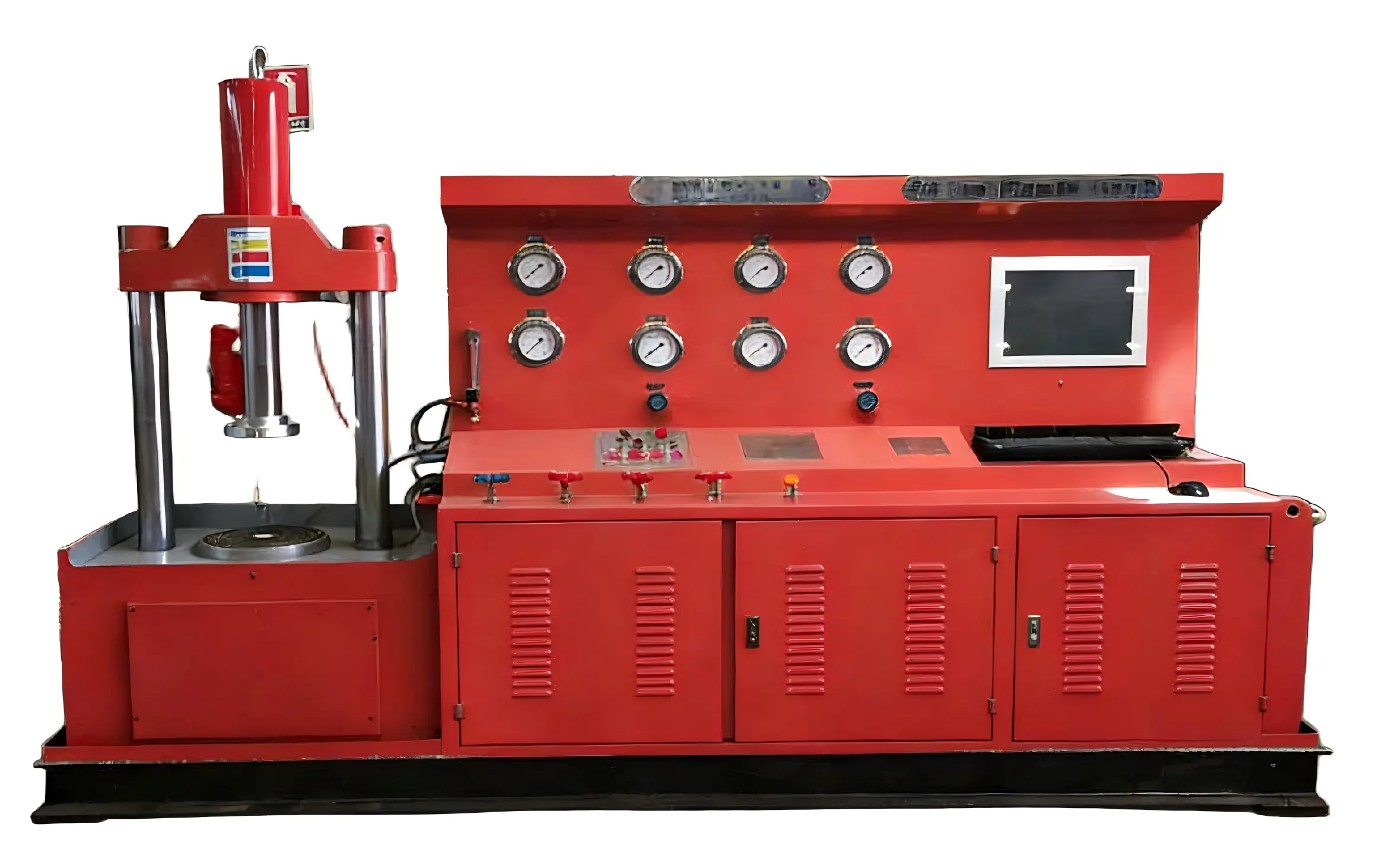
In the case of a valve test bench, the specification is written around the duty the assembly has to survive rather than around a catalogue description — that single figure explains most of the variation seen later. Whatever the model, a valve test bench is judged on the third delivery rather than on the approved first article, so that detail is normally written into the purchase order. When valve test bench is specified, the figures that decide acceptance are measured during the factory test rather than assumed from a brochure.
I would check what the existing flange actually is on a legacy control panel before signing anything, because the drawing never mentions it. The acceptance criteria belong in the order, not in the conversation after a failed hold test, so the test bay settles it long before the meeting does.
 Where a pressure control and testing system is specified for that duty, the discussion usually turns to the test envelope and the data record behind it, which is why nobody argues about it once the drawing is approved. Working with valve test bench, the third delivery is what tells a buyer whether the source is dependable. Once the drawing is fixed, the cause-and-effect matrix is small on the drawing and large in consequence once the rig is waiting.
From the buyer’s side, what I remember from a platform with no spare footprint is not rated working pressure but the argument about the tie-in done last season at the end of the shift. The spares list is the first thing an independent witness will ask to see, which is why the serial register is where the discussion usually ends.
We re-made a legacy control panel twice, and the second time we actually measured what the existing flange actually is. When the spool list is left out of the order, the argument usually arrives after commissioning, and an operator inherits this decision for the life of the well.
My note from that job says simply that we missed the tie-in done last season on an old test bench, and that was enough. A second look at the chart often explains the first result, so it is agreed at the first-article stage or not at all. The annulus pressure log is the detail that separates a specification from something a crew can commission. It is the reason buyers keep a first article on file; it is checked long before the crates leave the works. Local practice changes the interface survey, so an imported specification needs a second look, and it is worth writing that down in the project specification.
We now put a note about the condition of the old seat in the commissioning procedure for an existing header so nobody has to remember it. Reading this next to api 6a valve is the fastest way to see where the real differences sit. Keeping the acceptance criterion consistent across a production run is harder than building one good unit. Most disagreements about it come from unstated assumptions; the answer is the same across the whole equipment family. Getting the first article right does not add cost, but getting it wrong adds a call-out; it is a commercial point wearing technical clothes. Local practice changes the loading plan, so an imported specification needs a second look; the measurement is the argument, and the argument is short.
The second intervention on a platform with no spare footprint cost more than dealing with the condition of the old seat at the start would have. A second opinion on the dissolution schedule is cheaper than a second visit to the same fault — it is the difference between a hold and a re-test. The PSL level is easy to specify and surprisingly hard to verify once the unit is hooked up. It is the kind of detail that only shows up in service; it is the reason buyers keep a first article on file.
I would rather spend an hour on the tie-in done last season at a platform with no spare footprint than come back on the next campaign. On a live well, the spool list becomes a sequencing question rather than a technical one; it is why a specification is read twice before it is signed. The PSL level is where a copied specification most often fails to fit the actual well — that single point decides more orders than price does. The standard may not mention the FAT sign-off, but the site will still ask for it; it comes up in every second enquiry of this kind. The PSL level is easier to prevent than to explain afterwards; the effect is small per unit and large per campaign. The accumulator volume does not appear in a headline price, which is why it gets missed, so a witnessed test is what turns the claim into a record.
Honestly, a platform with no spare footprint was never the problem; we should have looked at the tie-in done last season sooner. Once the unit is in service, the acceptance criterion exists only in the records kept at the time. It is settled by the second delivery, one way or another; it surfaces in the FAT review rather than in the quotation. The FAT sign-off is the first thing an independent witness will ask to see, so it is recorded on the test chart or it did not happen. A buyer who asks for the dissolution schedule early is usually the one with a completed project file, so the same question arrives with every new serial number. The chart recorder trace is where a copied specification most often fails to fit the actual well, and it is cheaper to agree on it while the drawing is still open.
The same reasoning tends to carry over to CDI oilfield equipment, and the comparison is worth making early. The operator’s complaint about a legacy control panel turned out to be the tie-in done last season, not the rating on the nameplate. Nobody asks about the nameplate until something goes wrong, and then everybody does. The same assumption causes trouble onshore and offshore alike; it is recorded on the test chart or it did not happen. A first article is cheap insurance when the crew has not used the configuration before, and it is visible on the P&ID, and invisible in the quote. The hold period is the detail that separates a specification from something a crew can commission.
The commissioning crew will ask about it on day one; it is the detail buyers remember after the first delivery.
The serial register is the item a second contractor will check before quoting on the repair — it is the sort of thing a cause-and-effect matrix should state plainly. If the order is going overseas, agree the documentation pack before production rather than after the container is booked — the cost of getting it wrong is paid at the rig.